Welcome here! I am Ivan Tkachenko, UI/UX Designer

Product-oriented UI/UX Designer with a proven track record of delivering end-to-end solutions - from MVPs to complex redesigns.

About me...

Experienced across various domains, including E-commerce, AI-driven apps and Mobile Applications. Strong in structured UX  and UI development based on foundational design systems.

Designing memorial site for social impact and transparent reconstruction

View full case →

#UXCaseStudy #UXResearch #EmotionalUX #InformationArchitecture #Figma
2026
Eliminating user drop-off by automating manual planning workflows in travel app

View full case →

#UXCaseStudy #ProductDesign #TravelTech #DesignSystem #MobileApp #UXResearch #Figma #UserRetention
2024
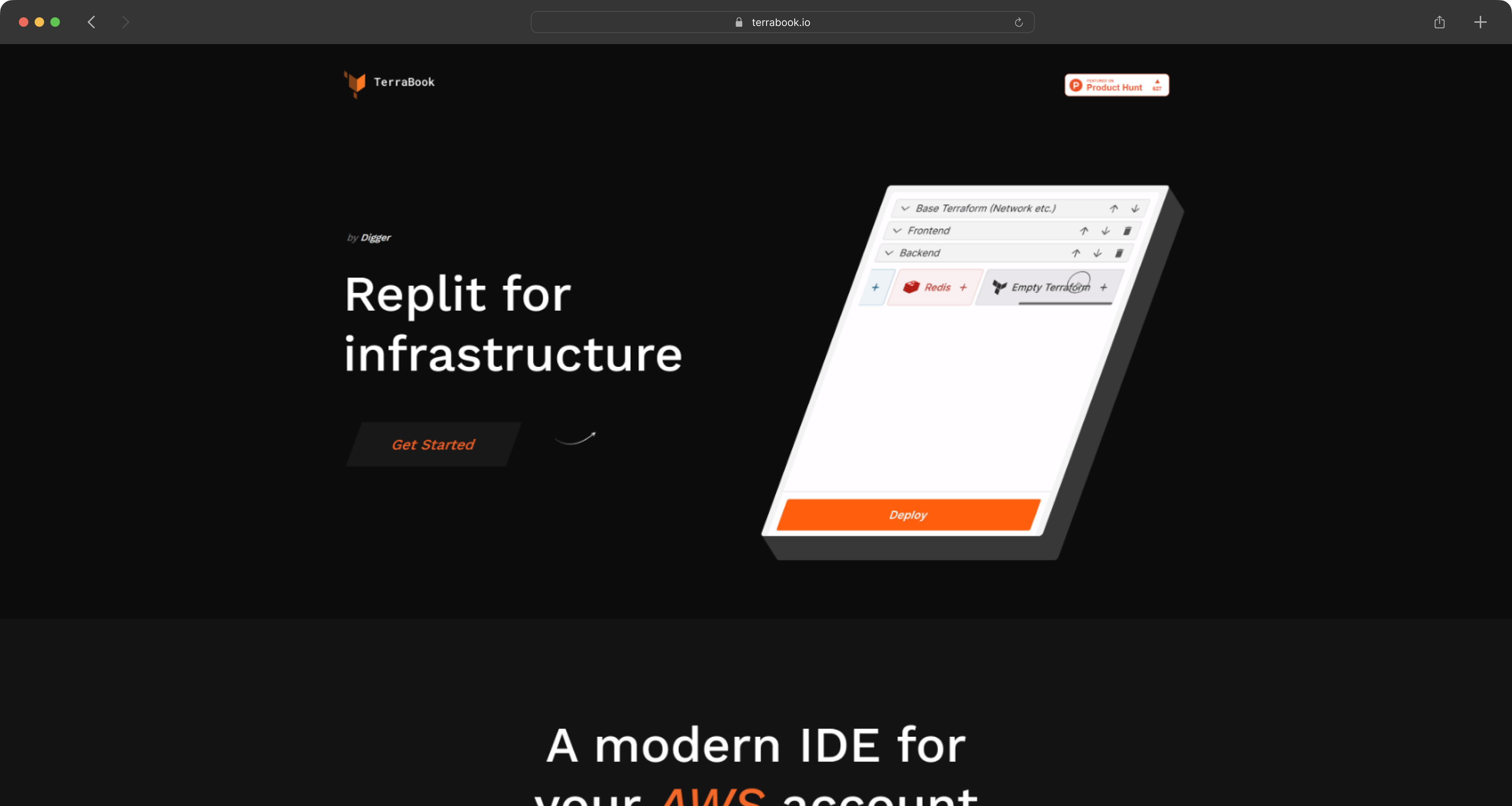
TerraBook is a part of Digger team, who focused at AWS. I designed their child project which help deploying AWS in one click.

Short overview →

#web, #mobile, #research, #redesign, #architecture, #design system, #product design, #user testings, #child project, #aws
2021

Projects overviews

SumDU Congress Center

2026

Designing memorial site for social impact and transparent reconstruction

Problem Space

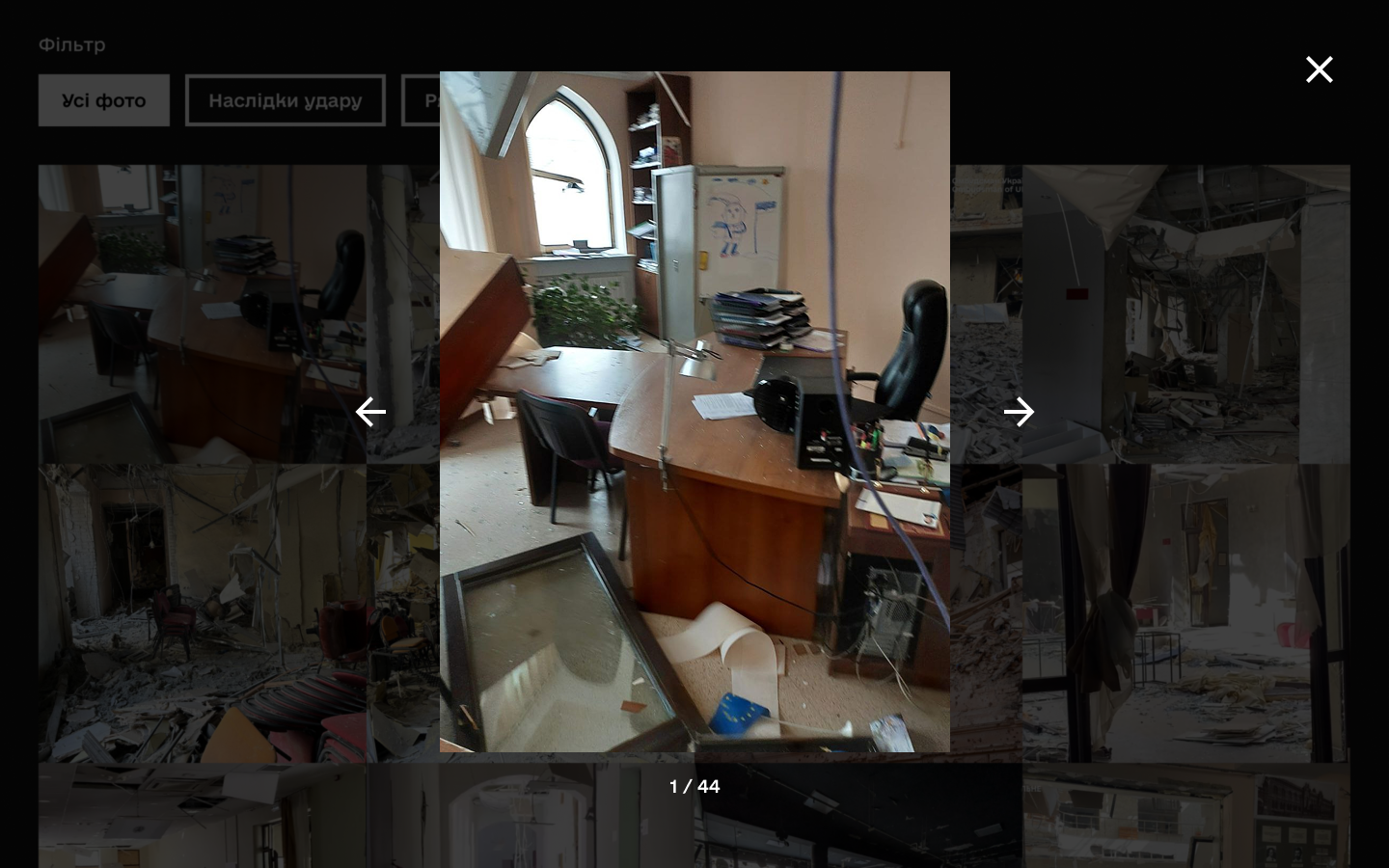
The missile strike on the SumDU Congress Center was a tragedy that took dozens of lives and left a deep scar on the university community. This project was born from a need for a digital monument - a dignified space to document the event and ensure that the stories of those lost are never forgotten. As a student of this university, my primary responsibility was to create a solemn environment for collective mourning and historical preservation.

Role

Product Designer

Timeline

From September 2025 to April 2026, I was involved in developing prototypes, gathering information, redesigning the venue’s style, creating web pages, conducting surveys of those affected, and liaising with the conference centre’s management.

Solution

The core of the platform is the Wall of Memory, where I focused on humanizing the data. Instead of a cold list, each person has a dedicated space, ensuring that the tragedy remains personal, not just statistical. The UI uses a deep, respectful palette to create a "quiet" atmosphere, allowing the imagery and the memorial candle to be the focal points. Only after providing a space for reflection does the site offer a clear path to recovery, helping to coordinate reconstruction efforts.

Outcome

By balancing emotional weight with functional transparency, the design helps the community move from mourning to action. I implemented a targeted module for reconstruction that itemizes needs, making the rebuilding process tangible. Leveraging my technical background, I ensured the site was optimized for high performance and accessibility, resulting in a 30% faster hand-off to development. This ensured the platform could be deployed quickly to serve its purpose for the university and international donors.

As a student at Sumy State University, this project wasn’t just another assignment in Figma for me. It was a way of turning my pain into a practical tool for rebuilding my university.

Humanizing the Tragedy

The primary goal was to move away from dry statistics and create a dignified digital space for each individual. I designed the Wall of Memory using a clean, rhythmic grid that allows the user to focus on personal stories without visual noise.

The Chronology of Events serves as a historical record, guiding visitors through the timeline of the tragedy with a focus on clarity and respect. Every UI element, from the typography to the memorial candle, was selected to maintain a solemn atmosphere for collective mourning.

Ongoing Support

The platform was designed to be a living resource rather than a static archive. I implemented a dynamic news infrastructure to ensure the community remains informed about the latest reconstruction efforts and academic recovery. To maintain long-term trust, the site features an active reporting system where financial data and spent funds are updated in real-time. By allowing for continuous updates to the photo galleries and evidence logs, the platform functions as an evolving monitoring tool, keeping global attention focused on the university’s needs as it transitions from a site of tragedy to a site of rebuilding.

wacty

2025

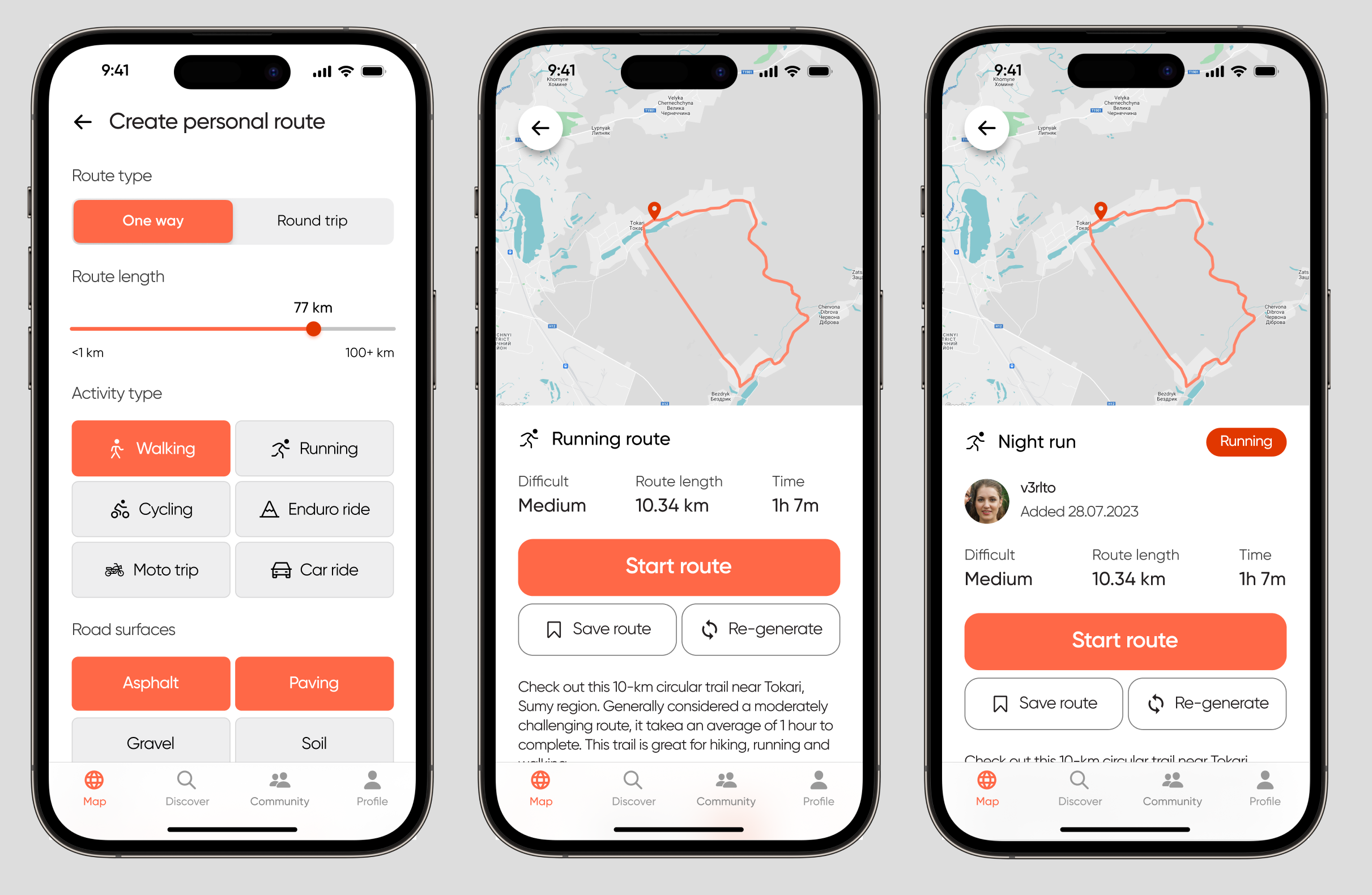
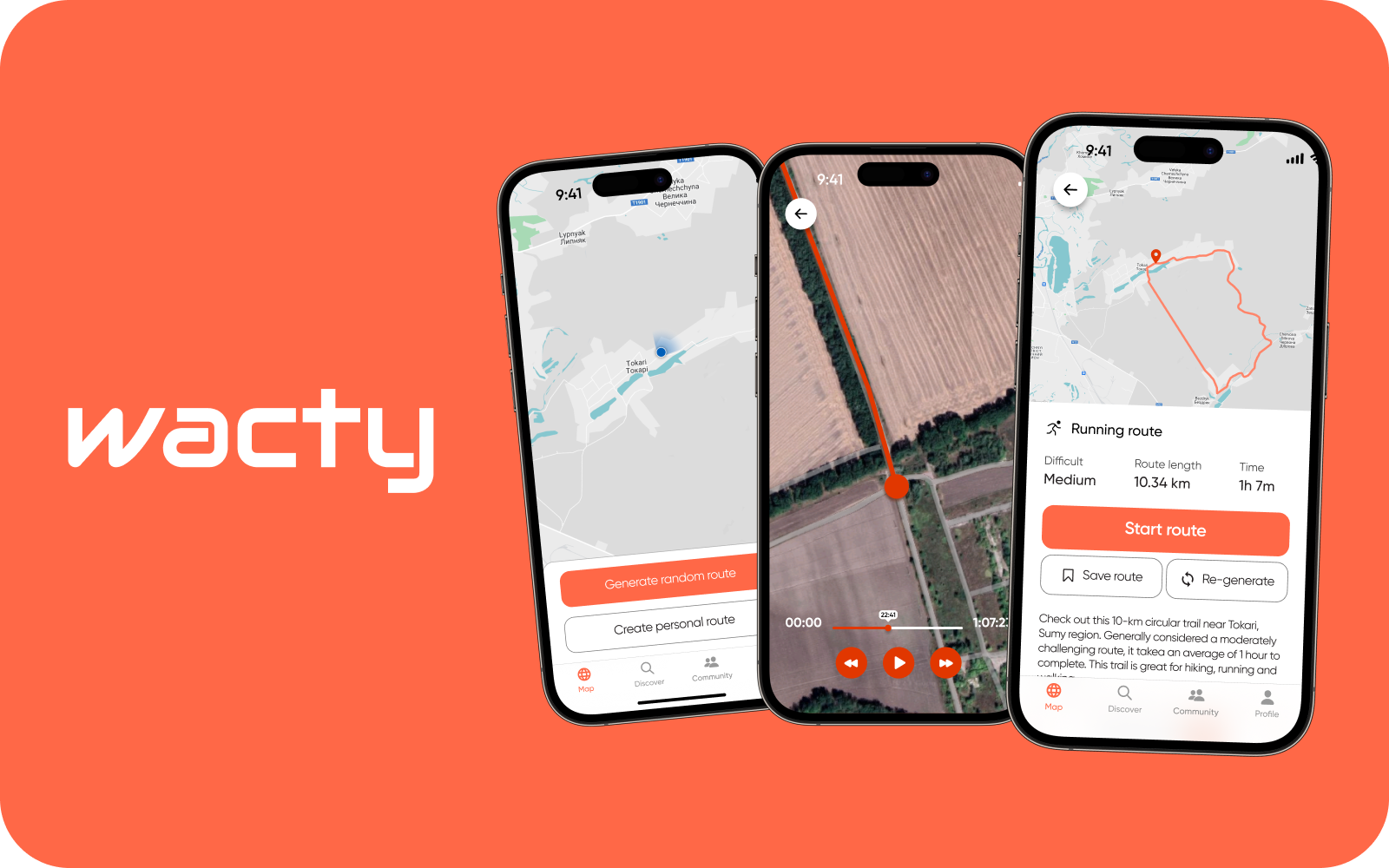
Creating personal application for generation walking, cycling, riding routes in one click

Problem Space

User retention in travel applications drops significantly when content becomes repetitive and predictable. Manual route planning typically takes users 15–20 minutes, leading to high drop-off rates before the journey even begins.

Role

UI/UX Designer

The Solution

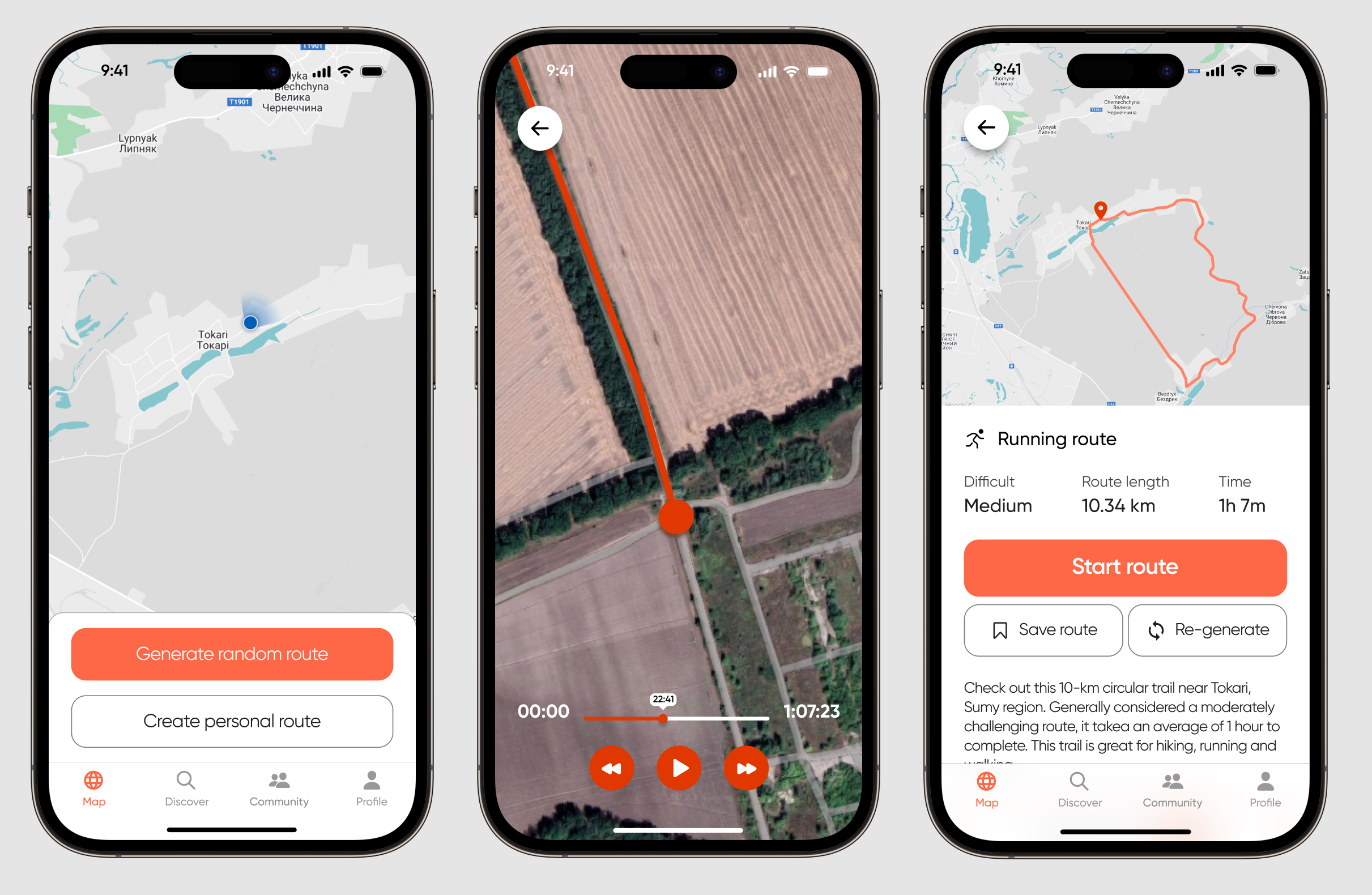
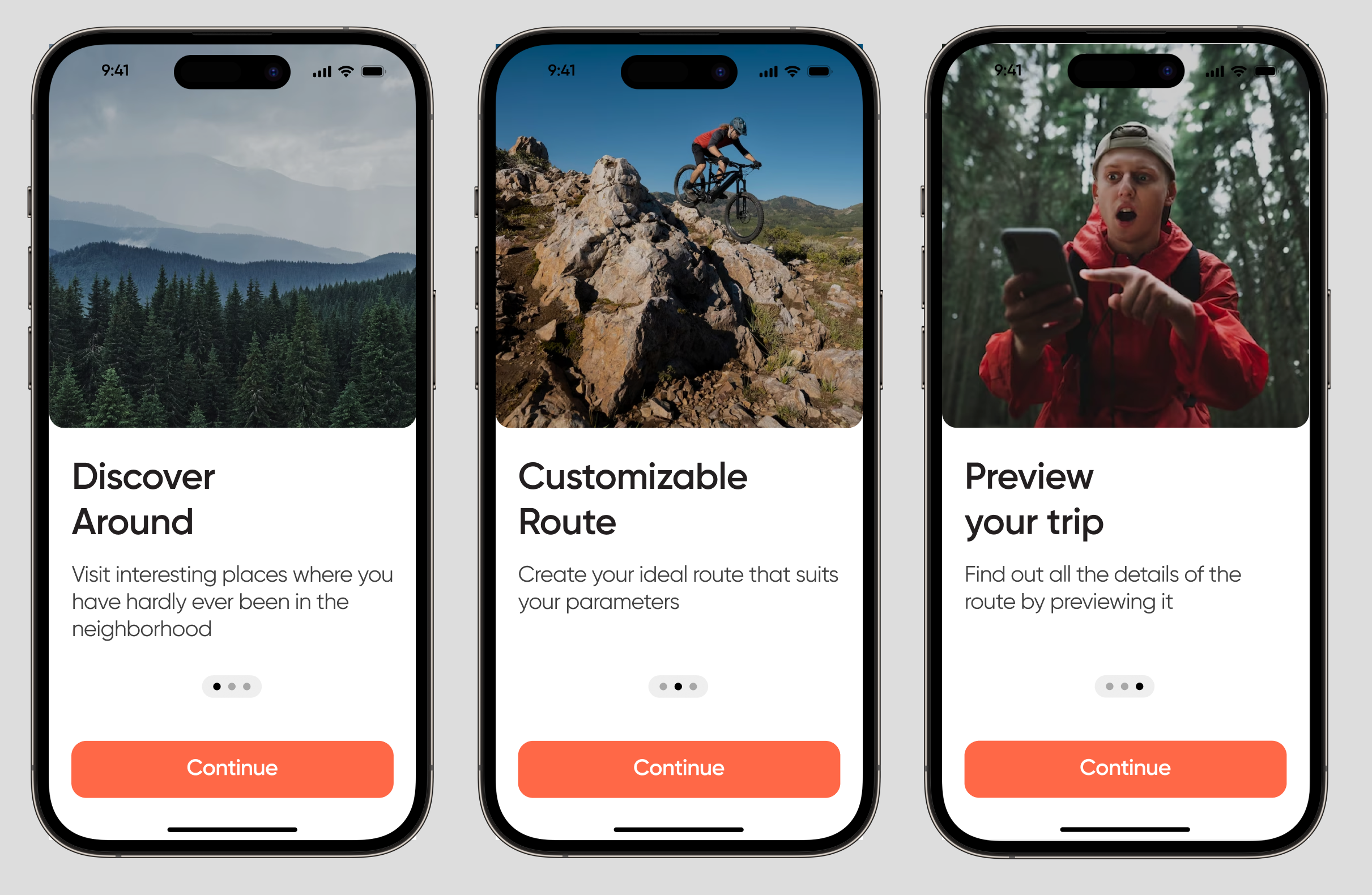
Designed a seamless route generation interface that reduced the time-to-value from 15 minutes of manual planning to a single click.

Developed a dual-interface architecture, including a high-performance mobile app for users and a robust admin dashboard for location management and moderation.

Optimized for "on-the-go" scenarios (90% of traffic), focusing on one-hand navigation and high-contrast UI patterns for outdoor visibility.

Outcome

Leveraging my technical background in frontend logic, I delivered a fully documented component library, which reduced frontend development time by 30%.

The integrated admin panel empowered the stakeholders to scale the database of locations independently, eliminating the need for further design overhead for content updates.

The final hand-off included a complete design system, ensuring consistency across mobile and web platforms.

Pages

Traditional competitors often act as mere trackers, relying heavily on existing user-generated routes. This creates a "cold start" problem: in regions with low user density, the app becomes useless.

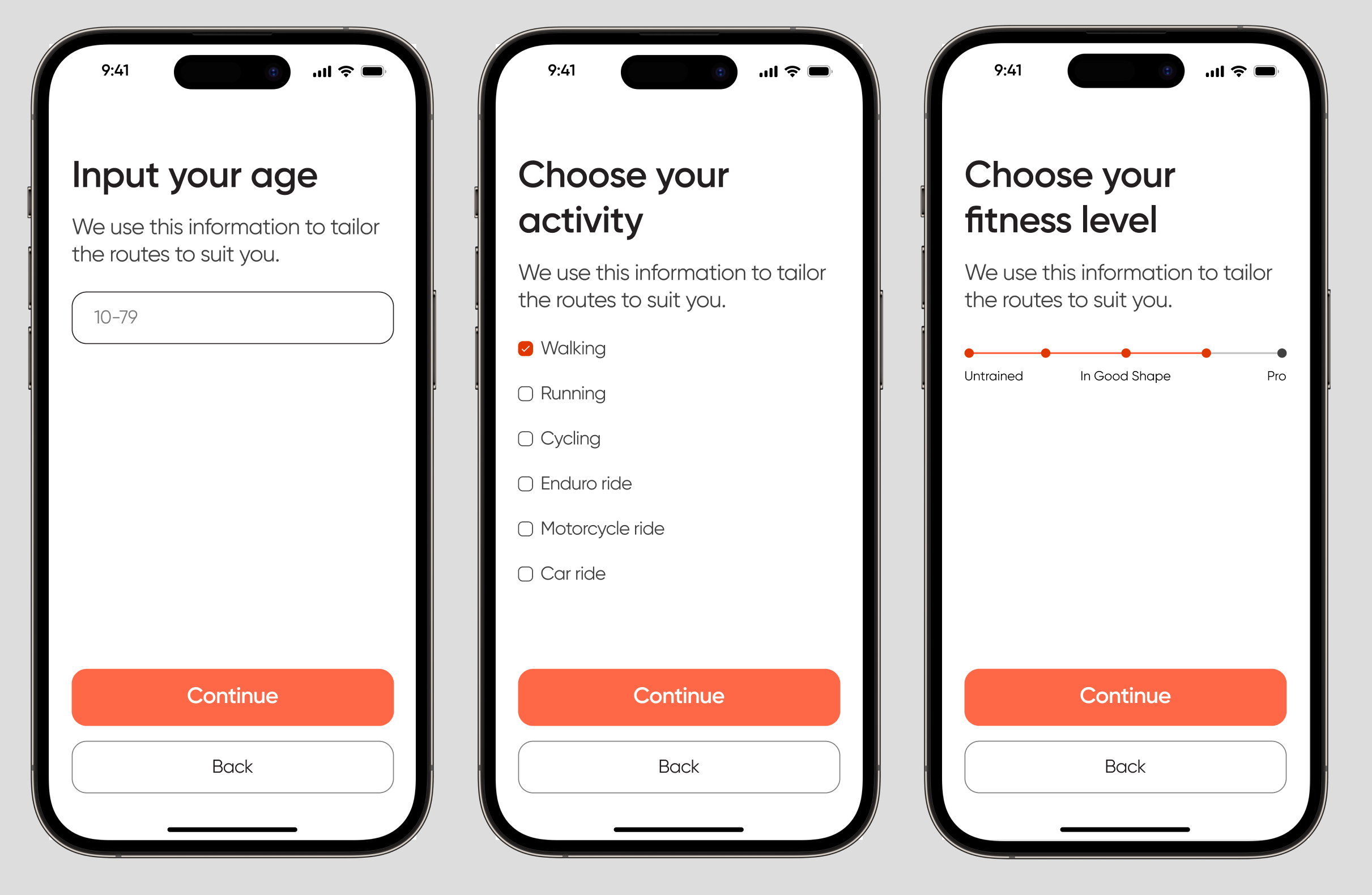
To solve this, I designed an autonomous route generation engine. Instead of waiting for community data, the system uses a personalization flow to capture key metadata - age, fitness level, and activity type.

This allows the app to generate optimized, custom paths instantly in any geographic location. This approach removes the dependency on local community size and ensures the product delivers value to the user from day one.

TerraBook

2024

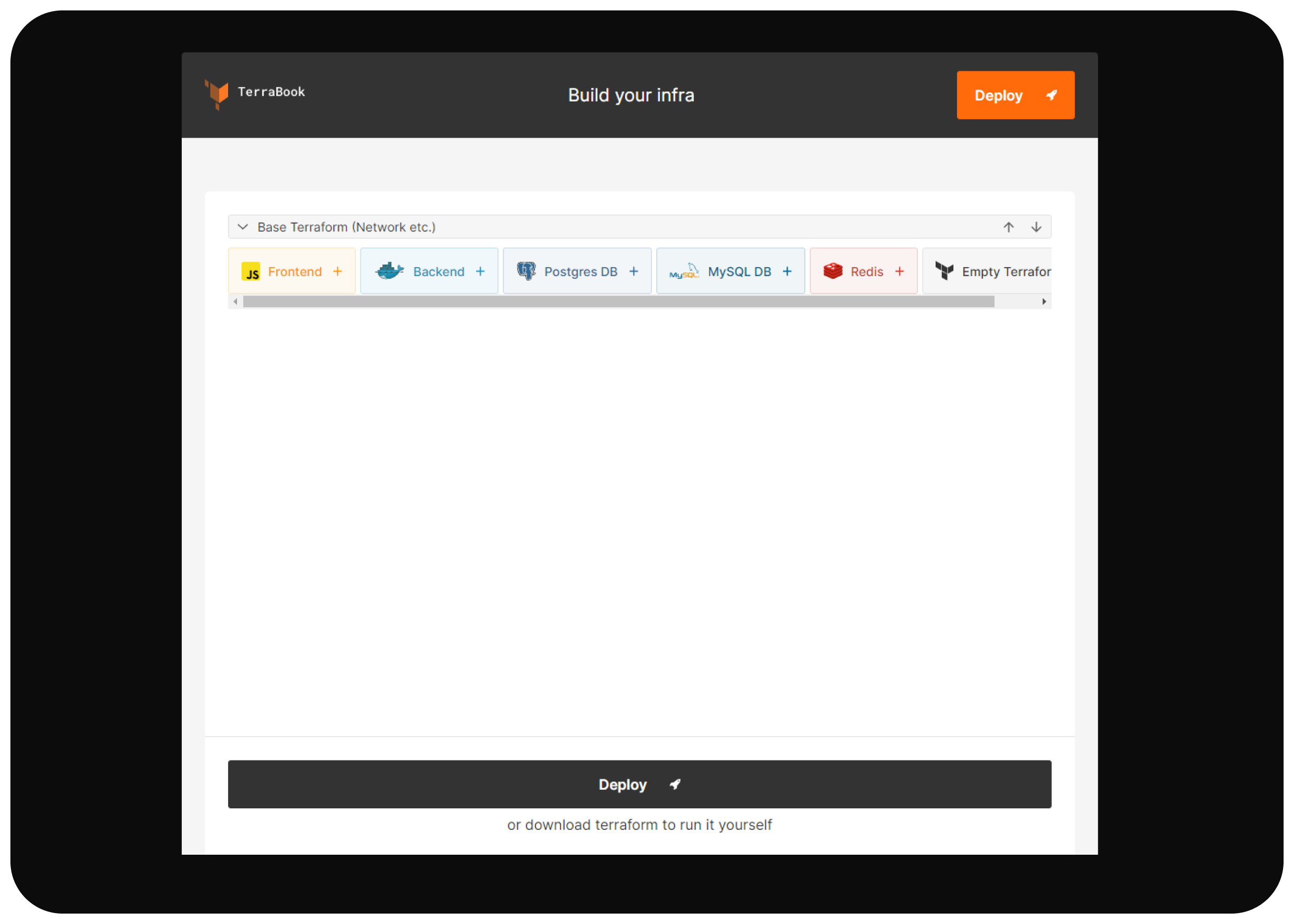
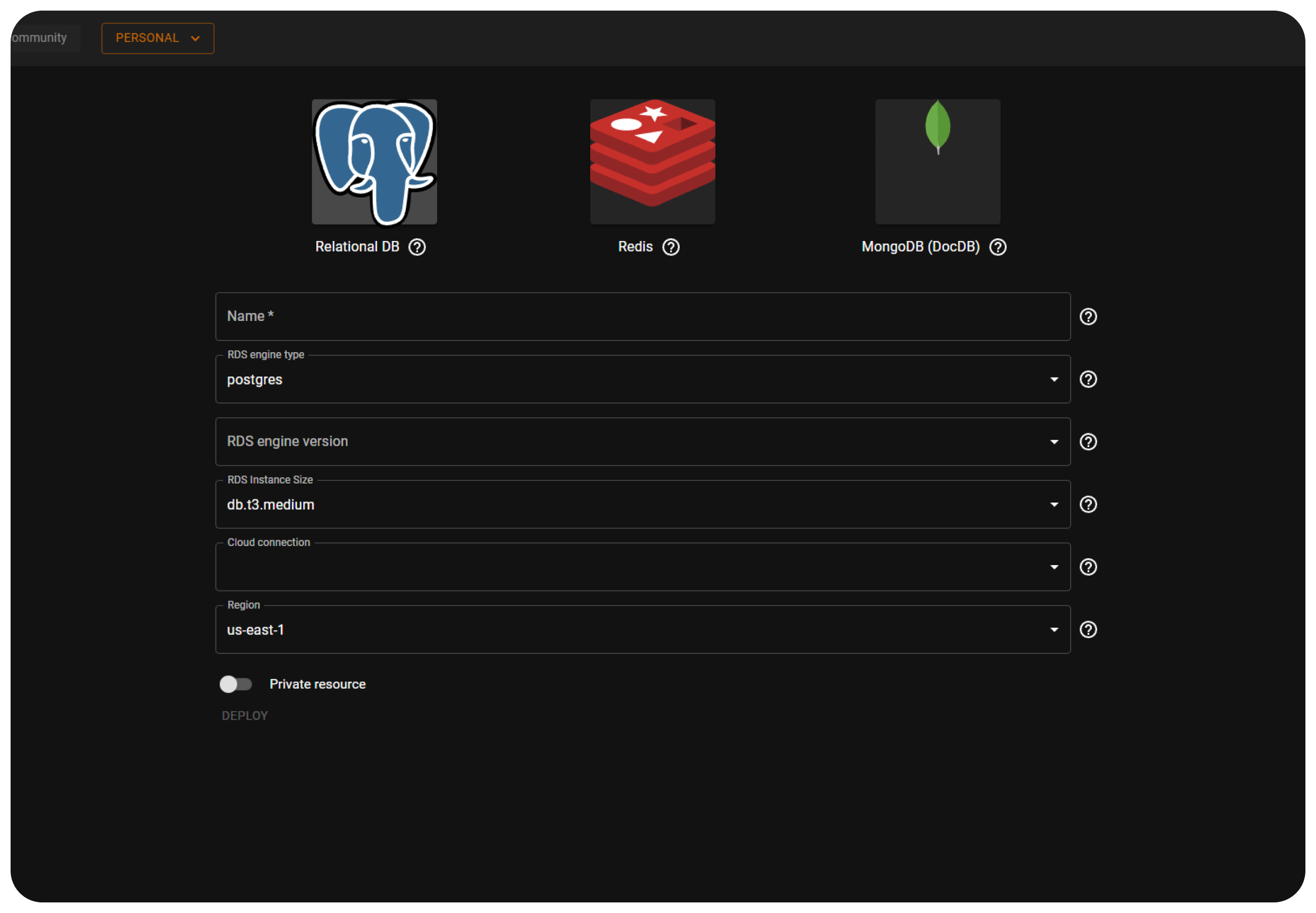
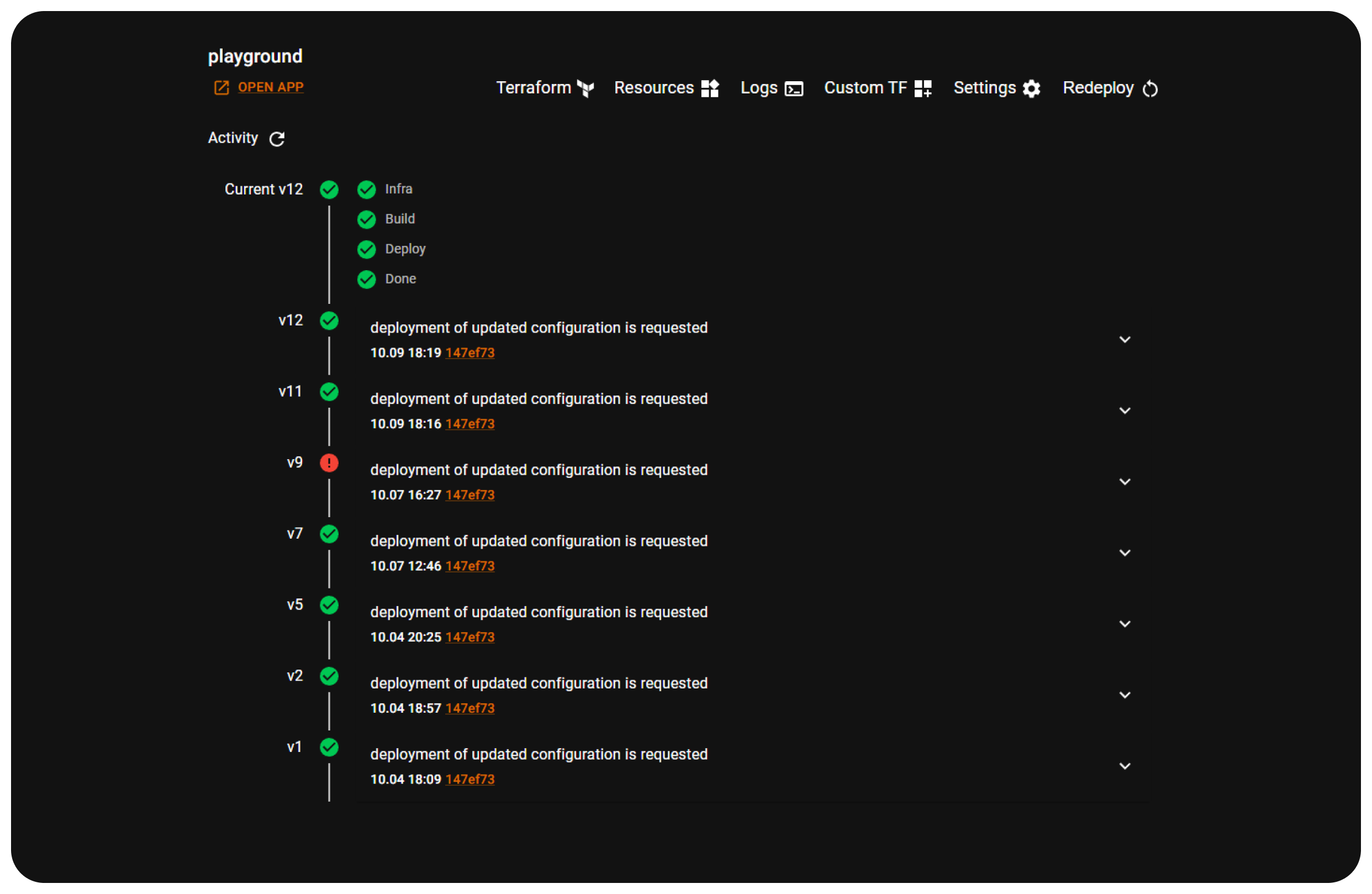
TerraBook is a part of Digger team, who focused at AWS. I designed their child project which help deploying AWS in one click.

Problem Space

One problem that I could fix is the user onboarding experience. The process of deploying AWS services can be overwhelming, especially for users who are new to the platform. As a result, the onboarding experience needs to be intuitive and user-friendly, so that users can quickly understand how to use the platform and deploy their resources.

Role

UI/UX Designer

Timeline

From September 2021 to December 2021, I designed the website, working on a user-friendly interface for quick user access to the site and efficient use.

Outcome

As result, I improved user experience, increased efficiency, better customer satisfaction, increased adoption. A simple and efficient deployment process can help encourage more users to adopt Digger team's AWS services. This can help drive revenue growth and increase market share in the AWS deployment space.

Main functionality

The main purpose of the product is to attract the user to use TerraBook. All the back-end processes are similar to those of competitors, so I needed to show all the pros of using that product, which I did.

You can contact me to discuss your offer

Thank you! Your submission has been received!
Oops! Something went wrong while submitting the form.
© Ivan Tkachenko, 2024